







Search Results for: Mandheling grades
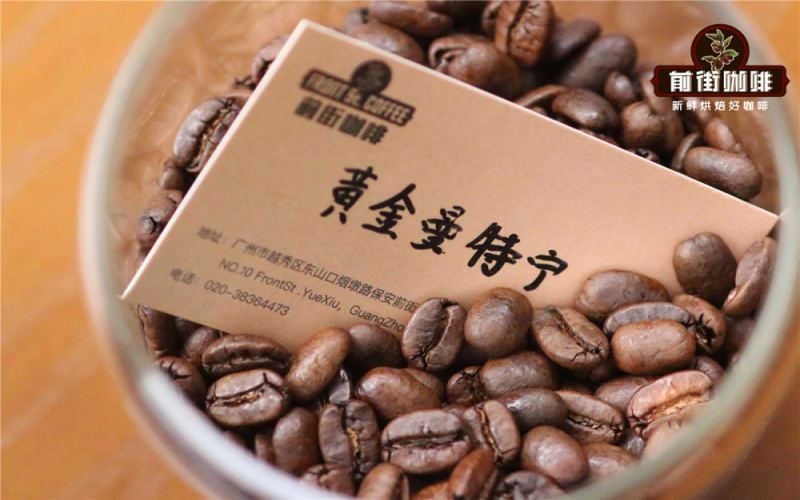
An Analysis of the Mandheling Coffee Bean Grading System: The Differences Between PWN Golden Mandheling and G1 Grade
Mandheling coffee is deeply favored by enthusiasts for its rich and full-bodied taste, but do you know the grading standards for Indonesian coffee beans? What exactly are the differences between PWN Golden Mandheling and regular G1 Mandheling? This article will provide a detailed introduction to the grading system for Indonesian green coffee beans, analyzing the grade standards from G1 to G6 based on defect rates, screen sizes, and other dimensions, and will delve into how PWN company creates its uniquely distinctive Golden Mandheling through strict screening processes. At the same time, Front Street Coffee will share brewing suggestions for Golden Mandheling to help you better savor this high-quality coffee with regional character. [more…]
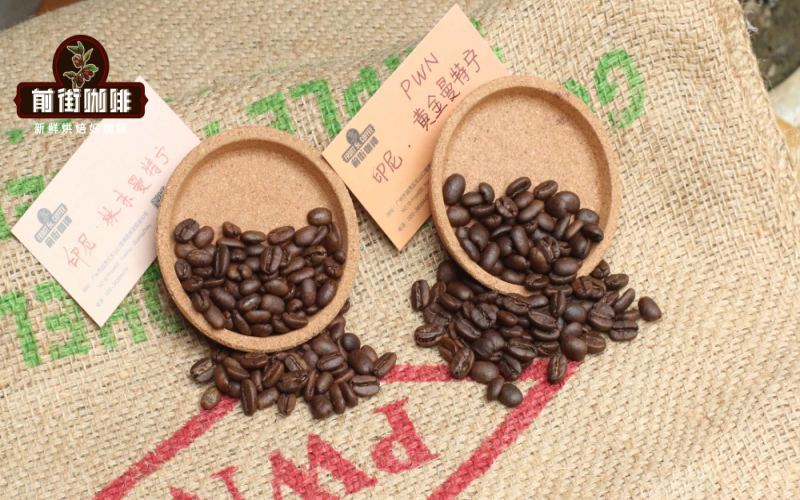
PWN Mandheling G1 vs. Golden Mandheling: A Full Analysis of Grading, Processing Methods, and Flavor Differences
The name Mandheling originates from a beautiful misunderstanding during World War II, and today almost all of Indonesia's finest Mandheling comes from PWN (Pwani Coffee Company). G1 represents the highest grade of washed beans, with no more than 3 defective beans per 300 grams; Golden Mandheling, on the other hand, requires four rounds of hand sorting, with an annual output of less than 1 ton. This article systematically sorts out the unique characteristics of PWN Mandheling G1 and Golden Mandheling, from historical anecdotes, grade standards, and origin processing methods to cupping flavors, and compares the differences in Lintong Mandheling's performance in terms of fruit acidity, body, and herbal aroma, helping coffee enthusiasts understand the flavor codes and key purchasing points of these two top-grade Mandheling coffees, while also introducing the related product features of the Front Street Coffee brand. [more…]
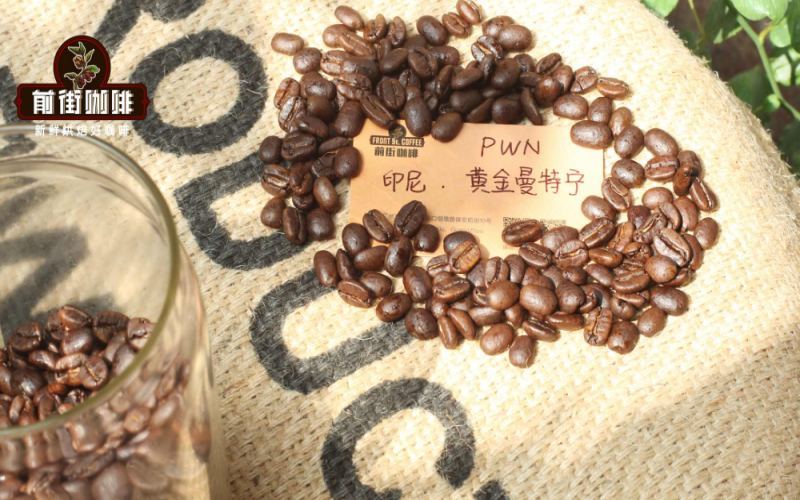
Analysis of the Differences Between PWN Mandheling G1 and Golden Mandheling: A Detailed Explanation of the Authentic PWN Mandheling G1 Grade Standards
The name Mandheling coffee originates from an amusing misunderstanding, and today the Mandheling G1 produced by PWN, Indonesia's most renowned coffee purchaser, represents the pinnacle of Sumatran coffee. The G1 grade is custom-made exclusively for Japanese trading companies, with the number of defective beans strictly limited to no more than 3 points per 300 grams. However, PWN Mandheling G1 is not equivalent to Golden Mandheling—the latter requires four rounds of hand-sorting, and its annual output is extremely scarce. This article will systematically sort out the essential differences between PWN Mandheling G1 and Golden Mandheling, from historical origins, grade classification, and origin terroir to Front Street Coffee's actual recommendations, helping coffee enthusiasts clearly understand the positioning and flavor direction of these two beans. [more…]
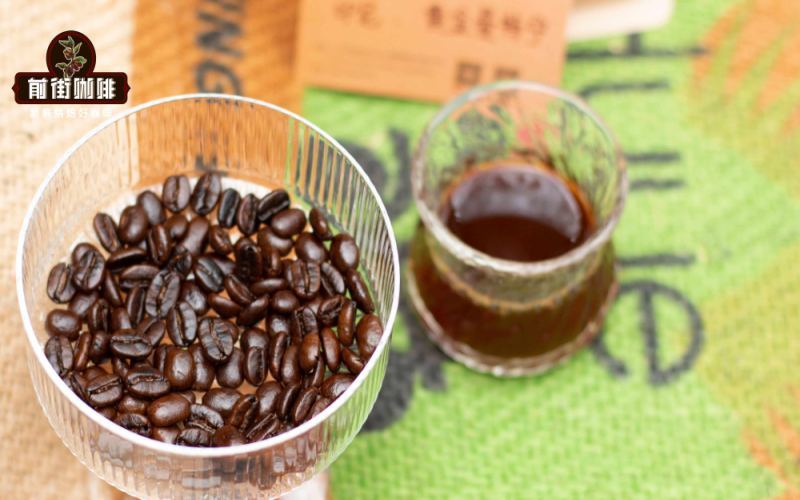
Golden Mandheling Coffee Flavor and Taste Analysis: A Comprehensive Look from Wet-Hulled Processing to PWN G1 Specialty Beans
Golden Mandheling is the crown jewel of Indonesian specialty coffee, and the G1 grade produced by PWN is the finest representative of them all. This article offers a comprehensive analysis of the unique charm of Golden Mandheling from the perspectives of flavor and mouthfeel, processing method, and grade classification. Compared with Front Street Lintong Mandheling, Front Street PWN Golden Mandheling has a cleaner mouthfeel, with the herbal, earthy, and woody notes typical of traditional Mandheling greatly reduced and the caramel sweetness more prominent. Although the wet-hulled method it employs increases the defect rate, it endows the coffee with a distinctive herbaceous, musty aroma and a sense of terroir. Under deep roasting, caramel, dark chocolate, and nutty flavors interweave, making it suitable for various extraction methods such as pour-over, SOE, and moka pot, and an ideal daily staple for coffee lovers who pursue a rich, mellow taste without acidity. [more…]
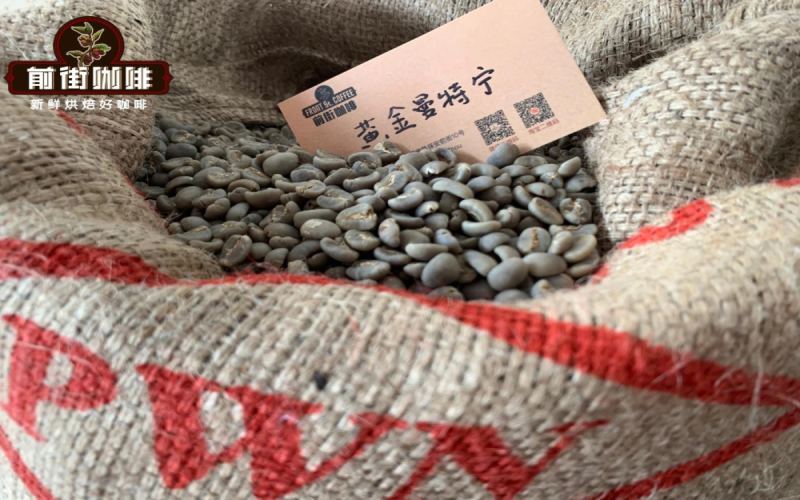
Indonesian Mandheling Coffee Grading Standards and Price Analysis: Sumatra Golden Mandheling Flavor and Pour-Over Parameters
The quality of specialty coffee beans is often reflected through strict grading, with higher grades commanding higher prices. Indonesian Mandheling is a representative coffee known for its low acidity and full body, and the Golden Mandheling produced by PWN is especially highly regarded. This article begins with Front Street Sumatra Mandheling coffee and provides a detailed introduction to the grading system for Indonesian green coffee beans, how to identify Golden Mandheling and its quality characteristics, and also shares Front Street baristas' brewing approach and specific pour-over parameters, helping coffee lovers recreate a café-level full-bodied flavor at home. [more…]
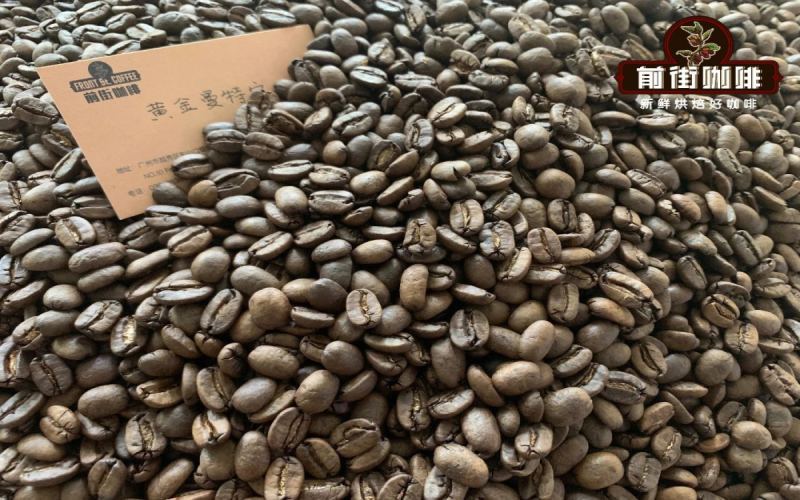
Indonesia Golden Mandheling Buying Guide: Key Points for Identifying from Bean to Cup Flavor
Golden Mandheling is one of Asia's most iconic single-origin coffees, but with so many imitations on the market, how can consumers tell the real thing from the fake? This article starts with the three unique features of Front Street PWN Golden Mandheling, explaining in detail PWN's strict purchasing and screening process, how to identify the registered trademark, and Indonesia's grading standards for Mandheling based on the number of defect beans. It also introduces the product information and flavor characteristics of two Indonesian Mandheling offerings at Front Street, helping coffee lovers master the essentials of identifying Golden Mandheling, from bean size to cupping flavor. [more…]

A Complete Guide to Indonesian Sumatra Mandheling Coffee: Golden Mandheling Grading Standards, Variety Characteristics, and Authentic Selection Tips
Golden Mandheling has continued to rise in popularity within the international specialty coffee scene in recent years, and many coffee enthusiasts are curious about its grading system and the origins of its flavor. At Front Street Coffee shops, customers often notice that Front Street's Golden Mandheling beans are large, have a high proportion of horse-hoof beans, and are neatly uniform in appearance, forming a sharp contrast with many similar products on the market that contain more defects. This article will begin with the growing conditions of Indonesia's Sumatra producing region, sort out Mandheling's wet-hulling process and grading system, focus on analyzing the four rounds of manual sorting in PWN's Golden Mandheling process and its Catimor variety background, and compile three practical selection tips to help coffee fans avoid common traps such as Robusta being passed off as Mandheling and vague labeling of names. [more…]
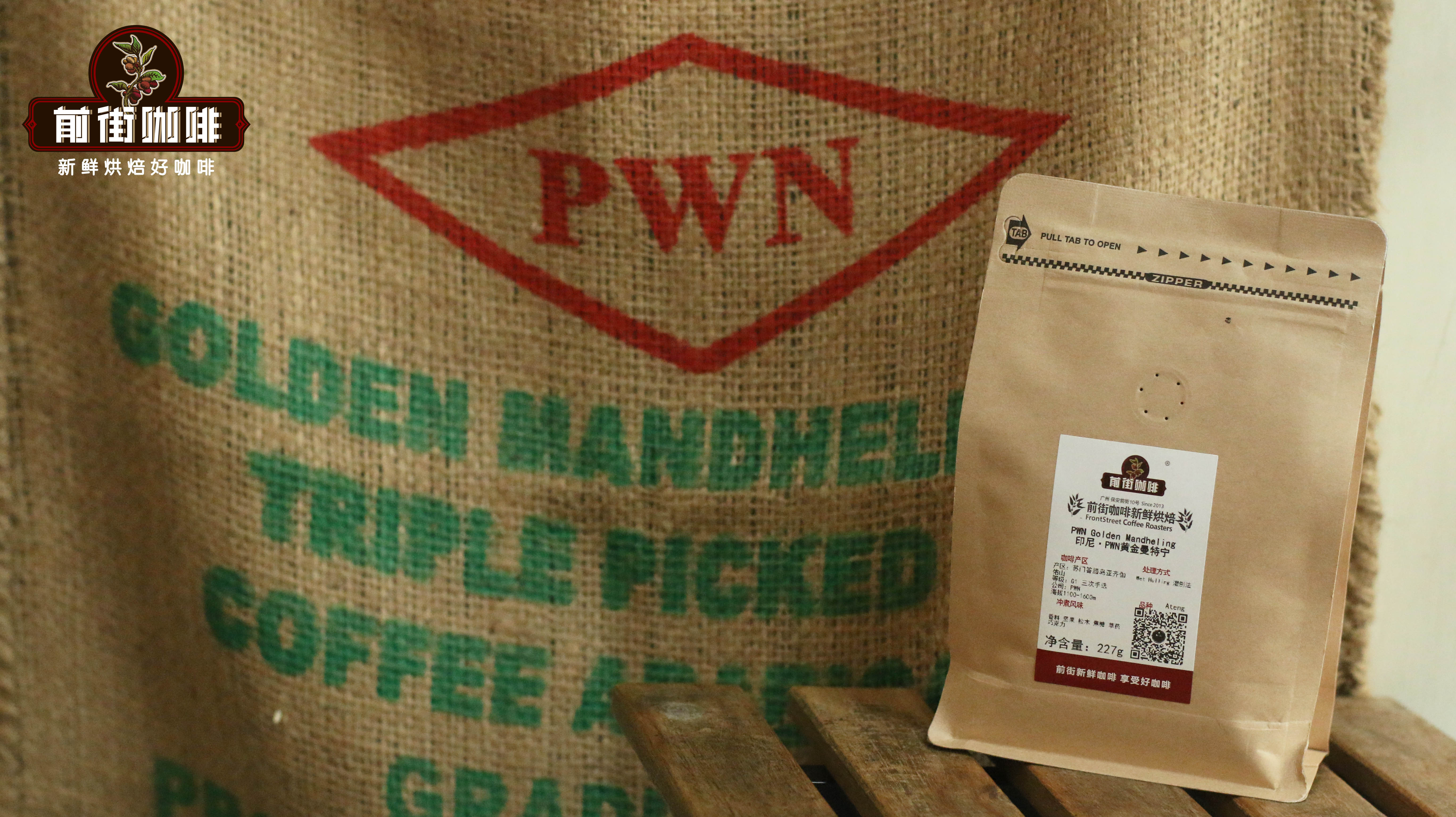
Exploring Indonesian Mandheling Coffee: A Full Analysis of Sumatra's Terroir, Wet-Hulling Process, and Flavor Grading
Mandheling coffee is one of the most recognizable representatives on Asia's coffee map, winning over many coffee lovers with its herbal, spicy notes and full-bodied mouthfeel. From the perspective of Front Street Coffee, this article systematically reviews Mandheling's regional terroir, the origin of its name, the principles and steps of the wet-hulling process, and Indonesia's coffee grading standards, then introduces one by one the origin information and cupping flavors of four representative Mandheling coffees offered at Front Street: PWN Golden Mandheling, Lintong Mandheling, Tiger Mandheling, and Aged Mandheling. Finally, a unified set of brewing parameters and techniques is included to help readers gain a comprehensive understanding of the unique charm of Mandheling coffee. [more…]
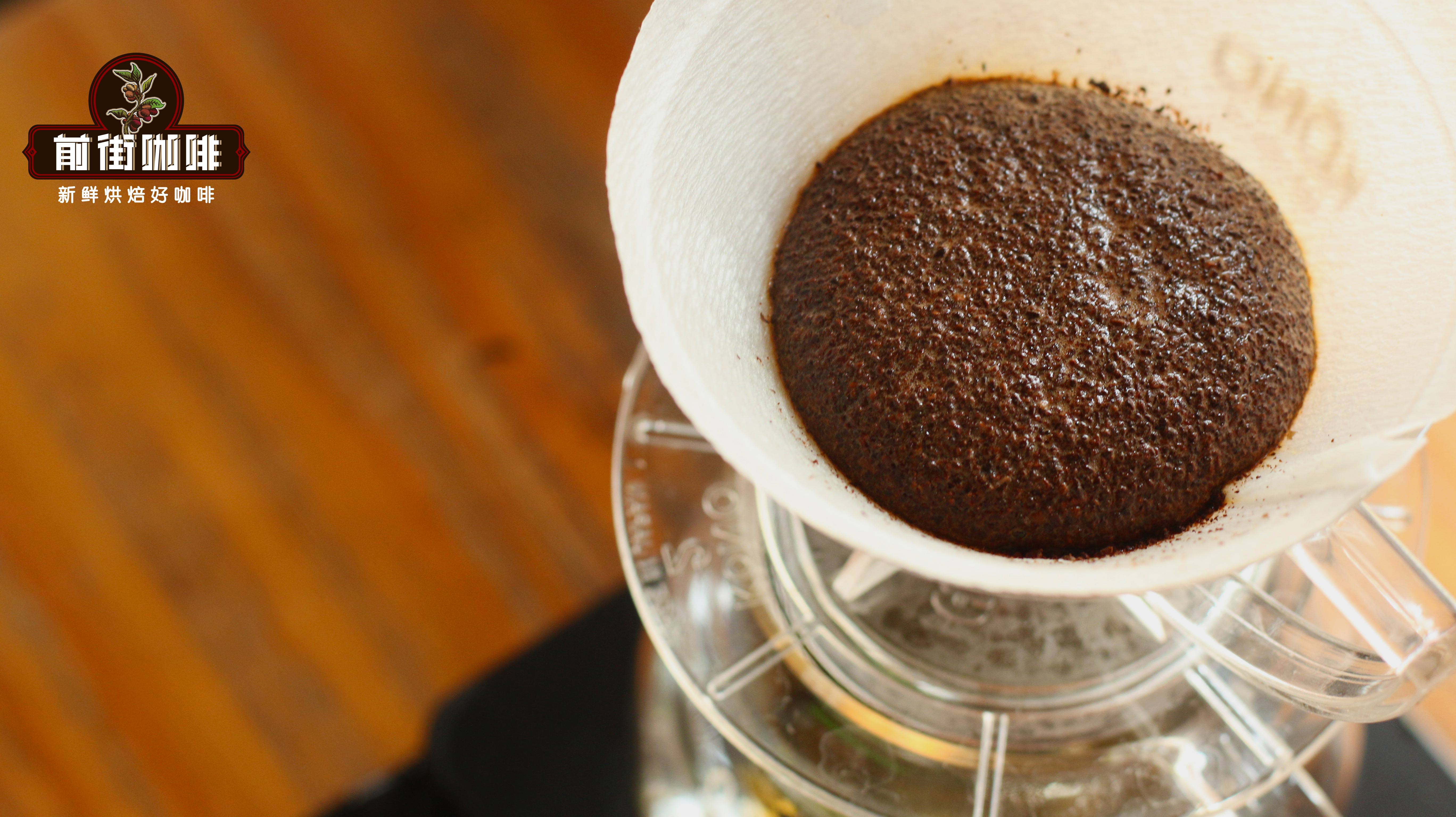
Complete Guide to Mandheling Coffee: Name Origins, Wet-Hulling Process, and the Mystery of Golden Mandheling Grades
Mandheling coffee, with its steady, full-bodied flavor, has become a favorite among lovers of bitter coffee—but do you know what historical misunderstanding lies behind this name? From the language mix-up between Japanese soldiers and Indonesian locals during World War II, to the herbal and spice notes imparted by Sumatra's unique wet-hulling process, and on to the legend of Golden Mandheling created by the PWN company, this article will give a complete overview of the origins, grading system, and flavor formation of Mandheling coffee. At the same time, Front Street Coffee, as a brand deeply engaged in specialty coffee, offers its Front Street Golden Mandheling and Front Street Lintong Mandheling daily-drinker series, providing high-value options for everyday drinking. Brewing parameters and pour-over techniques are included as well, to help you truly understand this rich, mellow taste from the equatorial rainforest. [more…]
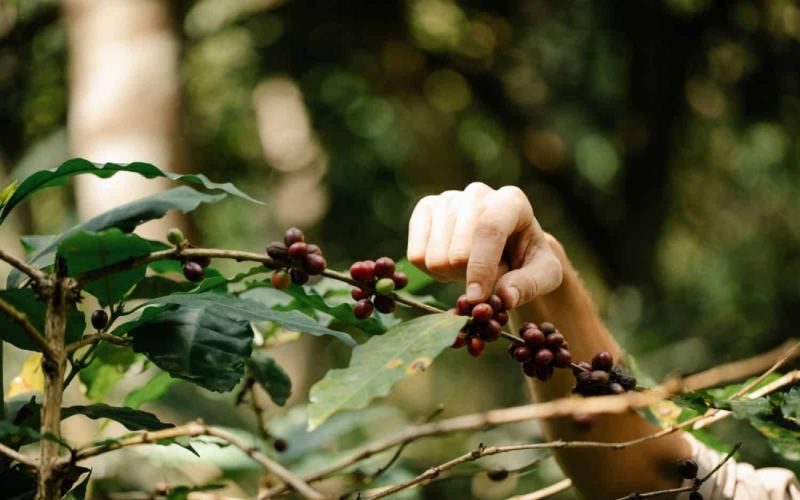
A Complete Guide to Indonesian Mandheling Coffee Beans: Grading, Flavor Characteristics, and Pour-Over Methods
Mandheling is one of Indonesia's most representative specialty coffees, known for its low acidity, high body, and distinctive herbal and spice notes. Sumatra's complex geography and the rare wet-hulling process together shape its rich and deep flavor. This article will cover producing regions, grading systems, processing methods, and brewing parameters to provide a comprehensive introduction to the grade characteristics and taste profile of Indonesian Mandheling coffee beans, and share the pour-over recipe recommended by Front Street Coffee, helping coffee lovers better understand this bean's complete journey from green bean to cup. [more…]
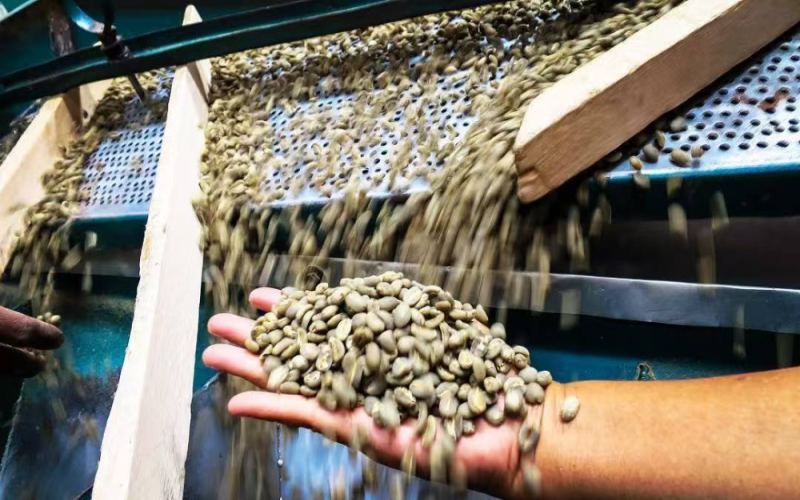
A Comprehensive Analysis of the Grading Systems and Flavor Profile Differences Between Mandheling and Geisha Coffee Beans
Those new to specialty coffee are often confused by labels such as G1 and AA on the packaging. These letters and numbers actually represent the grading systems for coffee beans from different origins. Some countries grade by bean size, others by the proportion of defective beans, and still others by growing altitude. Take Mandheling as an example: Indonesia uses the wet-hulling process and grades beans from G1 to G6 based on the number of defects in 300 grams of green coffee. Geisha coffee, by contrast, is famous for Hacienda La Esmeralda's red, green, and blue label system. This article will systematically sort through these grading systems while taking a deeper look at the core differences in flavor and mouthfeel between Mandheling and Geisha, helping coffee lovers understand the logic of quality evaluation in specialty coffee more clearly. [more…]
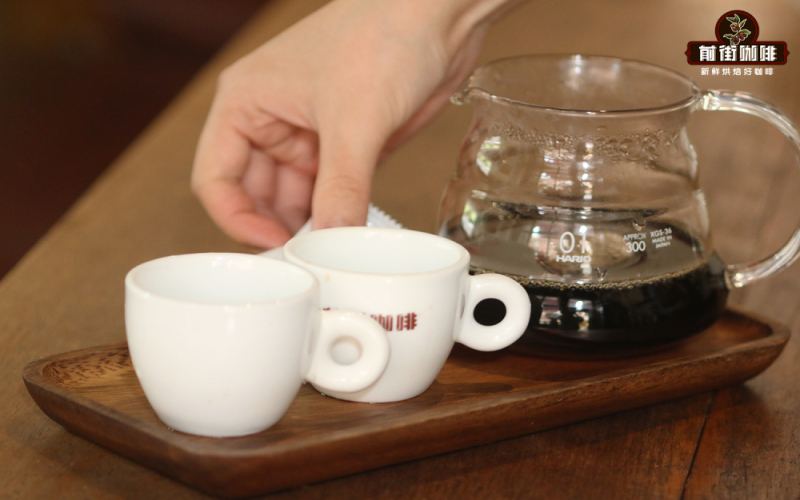
How Are Indonesian Coffee Bean Grades Classified? G1 and G2 Standards and Key Points for Choosing Golden Mandheling
The price of Indonesian coffee beans largely depends on their green bean grading system. G1 and G2 are common grade indicators, and G1 is often further subdivided based on whether it has undergone multiple rounds of hand sorting. Starting from the flavor characteristics of Mandheling and the wet-hulling process, this article systematically introduces the differences between coffee from two well-known Sumatran origins—Lake Tawar in Aceh and Lintong in Lake Toba—and focuses on analyzing PWN company's Golden Mandheling trademark registration, G1 grade, 18+ screen size specification, and triple hand-sorting standard. At the same time, Front Street Coffee shares the cupping performance and brewing parameters of Golden Mandheling to help readers understand the basis for judging the quality and price of Indonesian coffee beans. [more…]
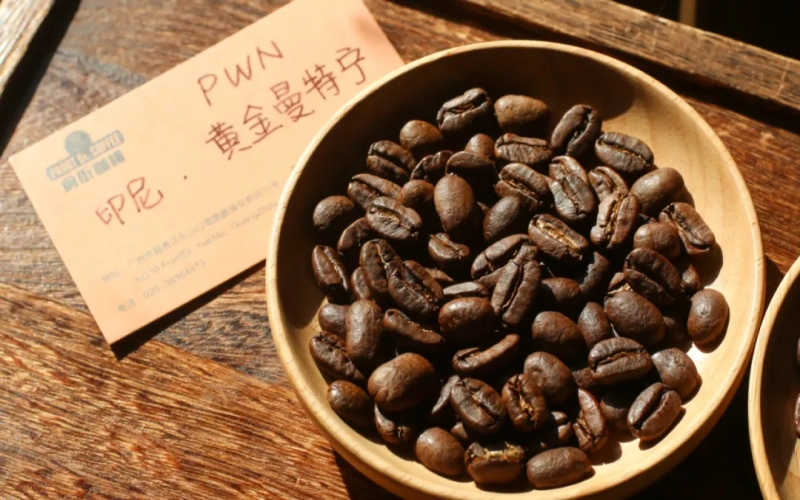
How to Choose Indonesian Specialty Mandheling? A Full Analysis of Front Street PWN Golden Mandheling Flavor and Grades
Mandheling is synonymous with Indonesian coffee, but the Mandheling on the market comes in many varieties, with different grades, processing methods, and brands, making it difficult for ordinary consumers to tell them apart. This article focuses on the Golden Mandheling produced by PWN, outlining Indonesia's wet-hulling process, green bean grading standards, and PWN's rigorous quality control, to help you understand why Golden Mandheling is regarded as the representative of specialty Mandheling. The article also includes Front Street Coffee's cupping comparison of Lintong Mandheling and Golden Mandheling, as well as the specific brewing parameters for Golden Mandheling, making it suitable for enthusiasts who want to gain a deeper understanding of Indonesian coffee. [more…]
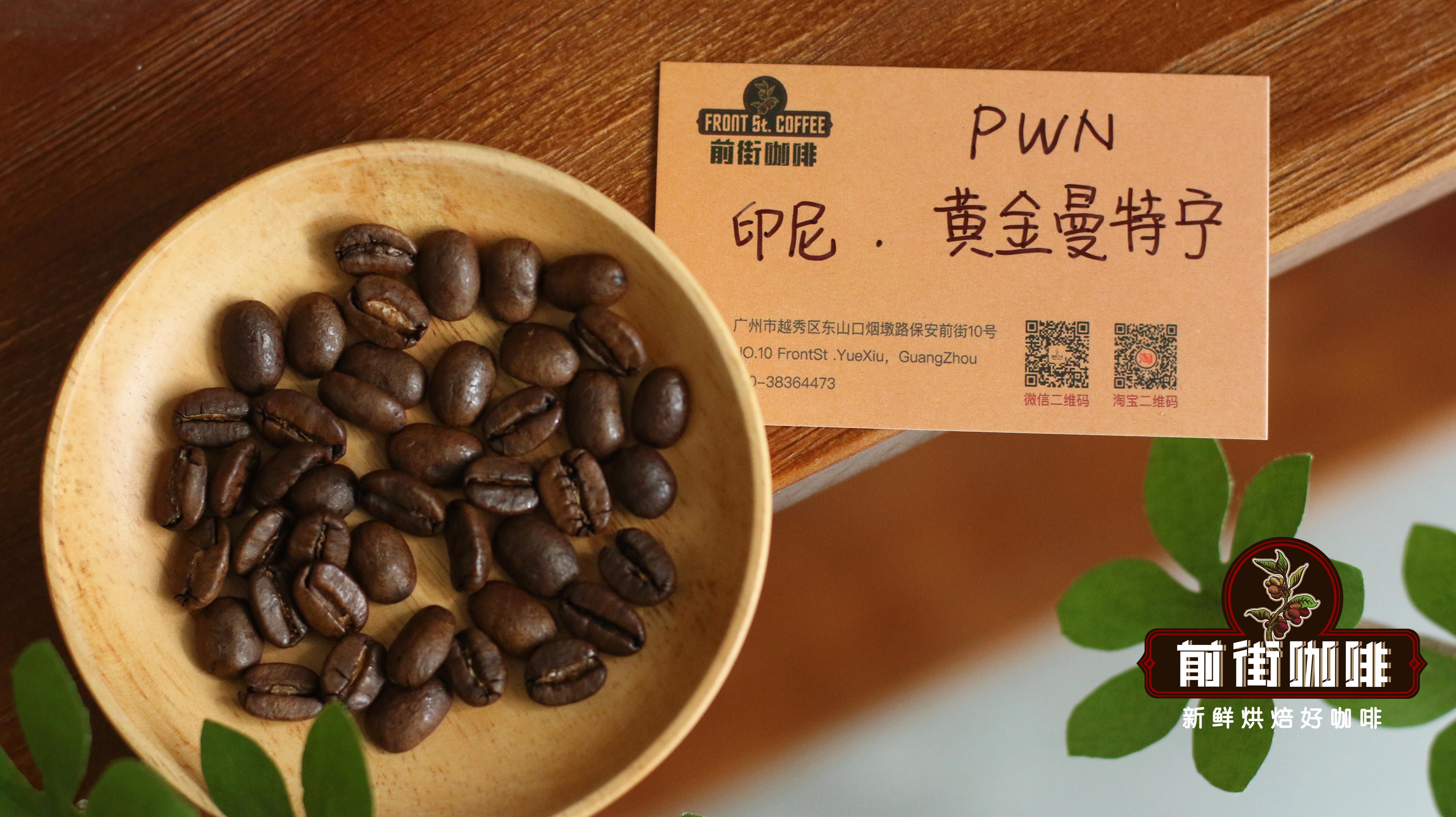
A Detailed Explanation of the Indonesian Golden Mandheling Grading System: G1 Standards, PWN Four-Time Hand Sorting, and a Guide to Avoiding Pitfalls When Buying
Mandheling is the calling card of Indonesian coffee, and Golden Mandheling is its premium representative. However, with the market flooded by a chaotic mix of Mandheling products, distinguishing the authentic from the fake and understanding the grading logic has become a source of confusion for many coffee enthusiasts. Starting from the regional characteristics of Front Street Coffee's Golden Mandheling, this article sorts through Indonesia's G1 grading system, which classifies beans by defect count, analyzes the rigorous four-round manual sorting standards of the PWN company, and introduces the reasoning behind its shift from Typica to Catimor varieties. At the same time, the article compiles three key pitfalls to avoid when buying Mandheling, helping readers make more rational judgments amid a dazzling array of products. [more…]
Sumatra Mandheling Coffee Full Analysis: Wet-Hulled Processing, Grading Standards, and Pour-Over Chocolate Flavor Techniques
Indonesia, as a major coffee-producing country, is known in the specialty coffee world for the Mandheling coffee from its Sumatra region, celebrated for its mellow aroma, low acidity, and rich, full-bodied style. This article begins with the distribution of Indonesian coffee regions, then provides an in-depth analysis of the four major coffee types of Sumatra, explains in detail how the wet-hulling process of Lintong Mandheling shapes its distinctive herbal spice and driftwood flavors, and introduces Indonesia's coffee grading system. At the same time, Front Street Coffee will share how to use the Kono dripper and a three-stage pouring method to highlight Mandheling's caramel sweetness and chocolate notes in pour-over brewing while avoiding unpleasant bitterness, allowing coffee enthusiasts to gain a comprehensive understanding of the appeal of this "famous" coffee. [more…]
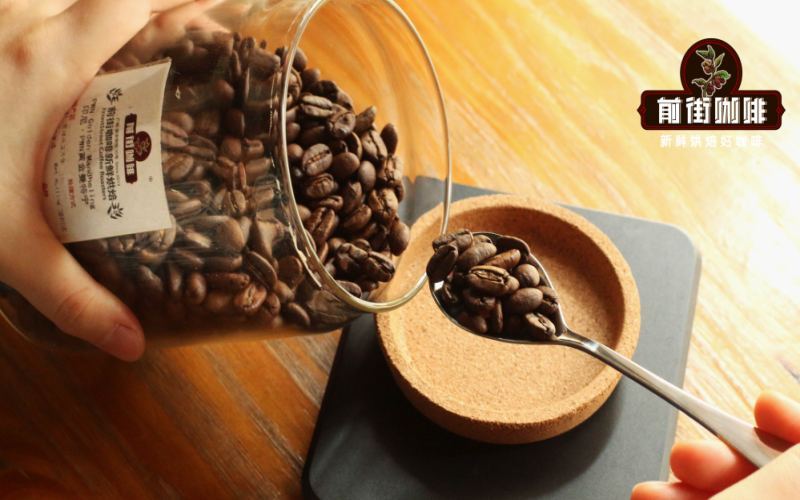
An Analysis of the Indonesian Coffee Green Bean Grading System: The Characteristics of the Wet-Hulling Process for Mandheling and Key Points for Identifying Golden Mandheling
Mandheling is the most representative variety of Indonesian coffee, and Golden Mandheling is highly sought after for its full-bodied taste and piney spice flavors, with a price noticeably higher than ordinary Mandheling. This article starts with Indonesia's green bean grading standards, analyzes the unique process of wet-hulling, explains in detail the quality control behind the G1 grade and triple hand sorting, and clarifies PWN's exclusive ownership of the Golden Mandheling trademark. At the same time, Front Street Coffee uses PWN Golden Mandheling as an example to share the cup profile under a deep roast, helping readers fully understand the value of this bean. [more…]
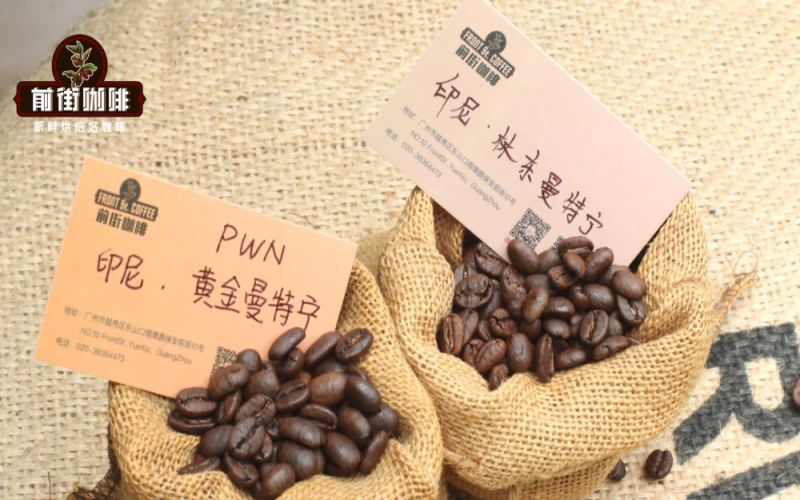
Indonesian Mandheling Coffee Full Analysis: From Lintong to PWN Golden Mandheling—Regional Flavors and Grading System
In the Asian coffee landscape, Indonesia is a core producing region that cannot be overlooked. Front Street Lintong Mandheling and Front Street PWN Golden Mandheling, as representative works from this region, each showcase different facets of Mandheling coffee. This article will delve into the growing environment of Sumatra, analyzing how the region's unique wet-hulling process shapes a flavor foundation interwoven with herbal and earthy notes. At the same time, it will outline the specific standards by which Indonesian coffee beans are graded according to defect count, and reveal the multiple sorting steps that allow PWN Golden Mandheling to present a clean, sweet taste. Whether you are encountering Asian beans for the first time or hoping to refine your tasting knowledge, this guide will provide clear and practical reference. [more…]
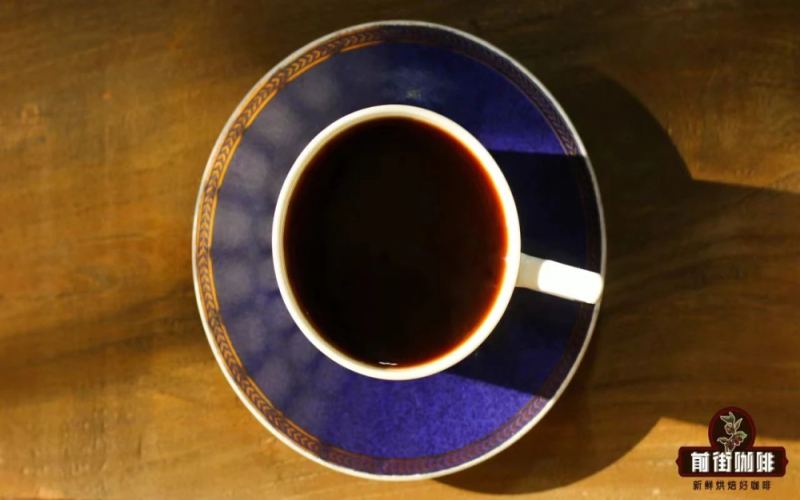
Indonesian PWN Golden Mandheling Coffee Full Analysis: Origin Story, Grade Standards, and Bean Selection Key Points
Mandheling coffee, with its rich, full-bodied style and long, sweet aftertaste, has become a classic that deep-roast enthusiasts cannot avoid. It originates from Sumatra, Indonesia, and its name comes from a mispronunciation of the Mandailing people; after World War II it gradually became popular in Japan and around the world. Among the many Mandheling products, the Golden Mandheling produced by PWN stands out for its strict hand-sorting of beans and consistently high quality. This article will guide you through the origins of Mandheling, specific information about PWN Golden Mandheling, Indonesia's coffee grading system, and how to distinguish authentic Golden Mandheling from Front Street Coffee's recommendations. [more…]
Does Mandheling Refer to a Region or a Variety? Front Street Explains the Grading and Flavor Characteristics of Golden Mandheling in Detail
Many coffee enthusiasts encounter a common question when they first come across Mandheling: is Mandheling a coffee origin or a coffee variety? Using Indonesian Golden Mandheling as an example, Front Street Coffee starts from the geographical and climatic conditions of the Sumatra producing region, traces the origins of the local wet-hulling process, and offers a detailed explanation of Indonesia's coffee grading system based on the number of defective beans. The article will also take an in-depth look at PWN's four rounds of manual sorting for Golden Mandheling, the background behind the introduction of the Catimor variety and its flavor changes, and finally include Front Street's practical tips for choosing authentic Mandheling, helping coffee fans avoid inferior products on the market that are passed off as Robusta or labeled with the word "flavor." [more…]
A Detailed Guide to Mandheling Coffee Bean Grading Standards: From Defect Bean Classification to Specialty Golden Mandheling Flavor and Pour-Over Techniques
Mandheling coffee has always been renowned for its mellow richness, but do you know how its grades are actually classified? The grading of Indonesian Mandheling is mainly based on the number of defective beans, supplemented by bean size. From the perspective of Front Street Coffee, this article systematically sorts out nine common types of defective beans, explains Indonesia's G1 grading standard in detail, and takes an in-depth look at why the Golden Mandheling produced by PWN is regarded as the cream of the crop. In addition, we will also share Front Street Coffee baristas' complete pour-over recipe for dark-roasted Mandheling, including dripper selection, grind size, water temperature, and the three-pour technique, to help you brew a clean, sweet, rich, and full-bodied Golden Mandheling at home. [more…]